
Nel cuore della Capitanata, dove la storia si intreccia con la leggenda del guerriero greco Diomede, sorge San Severo, un centro che rappresenta un vero paradigma della tradizione agricola mediterranea. Nota per la sua antica struttura medievale e il sottosuolo ricco di labirintici cunicoli carsici ideali per l'affinamento del vino, la città è la culla della DOC San Severo, istituita nel 1968 e tra le prime in assoluto in Italia.
L’Areale della DOC San Severo: Tra Storia e Innovazione
L'area di produzione della denominazione non si limita all'omonimo comune, ma abbraccia territori limitrofi come San Paolo di Civitate, Torremaggiore e parte di Apricena, Lucera e Lesina. È un territorio ricco di testimonianze, dai ritrovamenti neolitici alla Via Sacra Longobardorum, fino ai resti di Castel Fiorentino, luogo dove nel 1250 si spense l'imperatore Federico II.
Dal punto di vista vitivinicolo, la zona è caratterizzata da una felice compresenza di:
Vitigni Autoctoni: Dominano il Bombino Bianco, alfiere della Capitanata perfetto anche per la spumantizzazione, e l'Uva di Troia (o Nero di Troia).
Vitigni Internazionali: Merlot, Cabernet Sauvignon e Chardonnay che qui hanno trovato un habitat pedoclimatico ideale.
Terreni: Una combinazione di suoli calcarei, argillosi e sabbiosi che favorisce lo sviluppo di un'acidità vibrante e una spiccata identità territoriale.
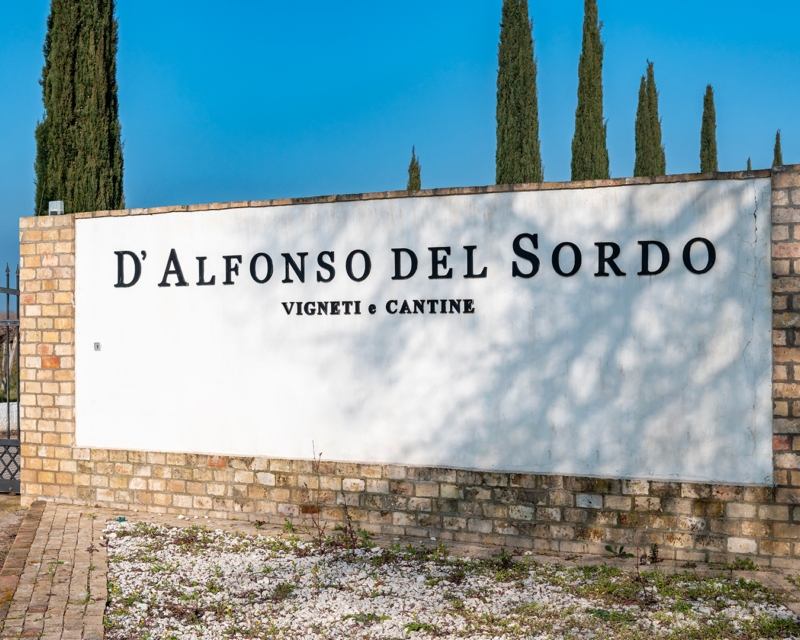
D’Alfonso del Sordo: Una Tradizione Secolare
Lungo la statale Garganica, la cantina D’Alfonso del Sordo rappresenta una tappa obbligata per comprendere il rinascimento del vino pugliese. La storia della famiglia risale al 1800, ma è nel 1900 che, attraverso l'adozione di Felice D’Alfonso da parte di Giovanni Del Sordo, nasce l'attuale casato.
Oggi l'azienda, guidata da Gianfelice D’Alfonso del Sordo (quarta generazione), gestisce circa 120 ettari di vigneti. Molti di questi conservano ancora il tradizionale sistema di allevamento a tendone pugliese, dove vitigni come Bombino, Trebbiano e Malvasia coabitano come da antica consuetudine.
Il cuore pulsante dell'attività è la Tenuta Coppanetta, situata ai piedi del Gargano. Qui sorge un moderno stabilimento dove le uve vengono lavorate con tecnologie all'avanguardia:
Vini Bianchi: Pressatura soffice e fermentazione a temperatura controllata.
Vini Rossi: Raccolta rigorosamente manuale e lunghe macerazioni.
Affinamento: Le botti e le barriques di rovere sono collocate nei sotterranei, garantendo condizioni ottimali di maturazione
Il Catapanus e la Sfida dell'Autoctono
Il prodotto di punta è senza dubbio il Catapanus, un Bombino Bianco in purezza creato con l'ausilio dell'illustre enologo Severino Garofano. Questo vino è celebre per la sua longevità, capace di evolvere splendidamente per oltre tre anni, mantenendo una struttura solida e sentori mediterranei.
L'azienda è inoltre impegnata nella valorizzazione del Nero di Troia, anche attraverso collaborazioni scientifiche con l’Università di Foggia e la consulenza dell'enologo Luigi Moio. Grazie a questo rigore qualitativo, i vini D’Alfonso del Sordo hanno ottenuto prestigiosi riconoscimenti internazionali (come i "Tre Bicchieri" del Gambero Rosso e i "Cinque Grappoli" di Duemilavini) e sono oggi esportati in tutto il mondo, dagli USA all'Australia.
Abbiamo ricevuto con piacere in redazione alcuni campioni della cantina D’Alfonso del Sordo, e queste sono le nostre impressioni.
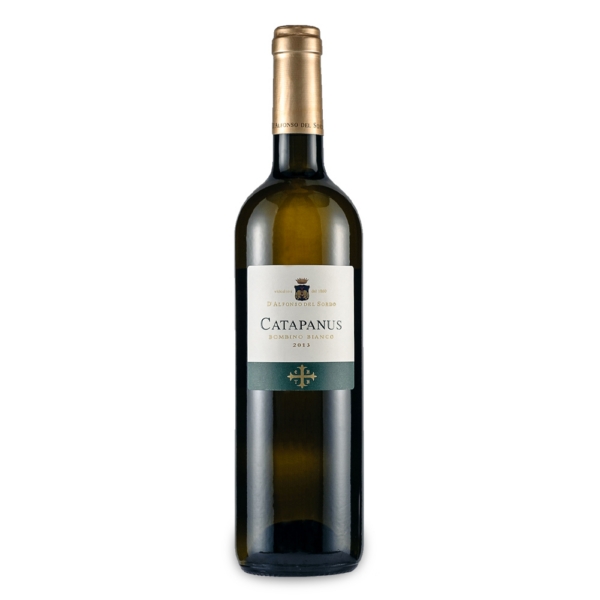
CATAPANUS BOMBINO BIANCO PUGLIA I.G.P. 2025
€9,50 - Bottiglie prodotte: 15.000
Il Catapanus trae il suo nome dall’antico delegato bizantino preposto al governo dell’Italia meridionale: un omaggio autorevole al vitigno a bacca gialla più rappresentativo del territorio, il Bombino Bianco. Questo vino beneficia di un affinamento di alcuni mesi dopo l'imbottigliamento, garantendo una perfetta armonia gustativa al momento della commercializzazione.
Nel calice, il vino si presenta con un colore giallo paglierino vivo e lucente, impreziosito da giovani riflessi verdognoli che ne sottolineano la freschezza e l'integrità cromatica.
Il bouquet è una complessa e variegata messe di profumi che spaziano dal floreale al fruttato esotico. L'impatto iniziale rivela note dolci di camomilla, biancospino, sambuco e mimosa, seguite da un'esplosione di frutta fresca: pesca bianca, albicocca, clementina, nespola e mela limoncella. Si percepiscono inoltre accattivanti sfumature di anice e banana, arricchite da un sottofondo di erbe aromatiche come salvia, timo e rosmarino, con un sussurro speziato e un richiamo al fieno secco e alla mandorla.
Al palato, il sorso entra con precisione e pulizia. È un vino asciutto e secco, caratterizzato da un corpo leggero e flessuoso che non rinuncia a una morbidezza vellutata e gentile. L'apporto minerale e sapido è misurato e ben integrato in una freschezza agrumata e tagliente, che rende la beva dinamica e "ritmata". La sensazione tattile è seducente e cristallina, con ritorni fruttati coerenti che conducono verso uno slancio finale appagante, dotato di una seducente complessità e lunghezza.
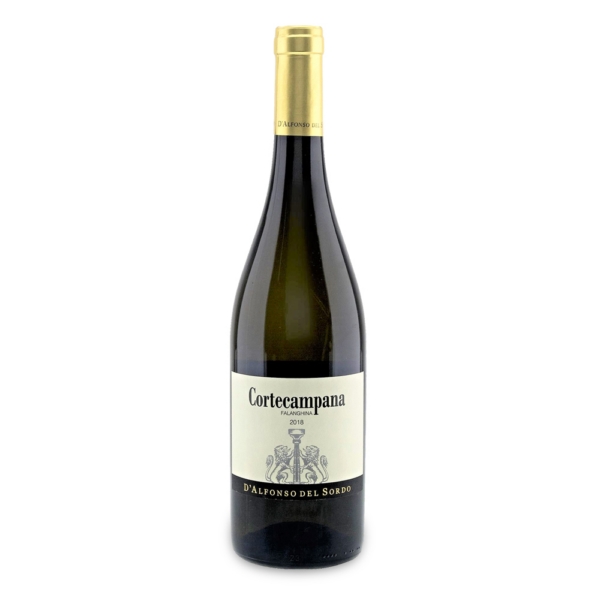
CORTECAMPANA FALANGHINA PUGLIA I.G.P. 2025
€9,00 - Bottiglie prodotte: 6.500
Il nome rievoca una tradizione rurale senza tempo: il suono della campana che, dalle corti delle antiche masserie pugliesi, scandiva i momenti di pausa e convivialità dei contadini. Questa Falanghina viene affinata in acciaio per preservarne la fragranza e successivamente elevata in bottiglia, acquisendo una raffinata complessità.
Il vino si presenta con un colore giallo paglierino languido, impreziosito da luminosi riflessi verde clorofilla e venature verdoline che ne testimoniano la vibrante giovinezza.
Al naso si schiude un bouquet poliedrico e costumato. L'esordio è una festa di frutti esotici e locali: spiccano banana, ananas, mango e frutto della passione, seguiti da note croccanti di mela Williams, pesca gialla e pera Kaiser, con un tocco goloso di fico fiorone. L’intreccio olfattivo si arricchisce poi di sentori floreali di ginestra e magnolia, rinfrescati da coriandoli di macchia mediterranea, eucalipto e mentolo. Non mancano sfumature balsamiche, accenni speziati e una nitida impronta sapido-minerale.
In bocca l'impatto è dinamico e di grande eleganza. Il sorso è teso, citrino e reattivo, sostenuto da una polpa succosa che equilibra una struttura setosa e glicerica. La freschezza è la vera protagonista: un guizzo di acidità attraversa tutto il cavo orale, rendendo la beva scattante, agile e ben ritmata. Il registro gustativo evolve su toni armonici e suadenti, offrendo una tensione palatale goduriosa.
La chiusura è pregevole, persistente e ben delineata, con un retrogusto fruttato che invita al riassaggio. Un vino dalla buona serbevolezza che promette di evolvere e migliorare ulteriormente nel tempo.
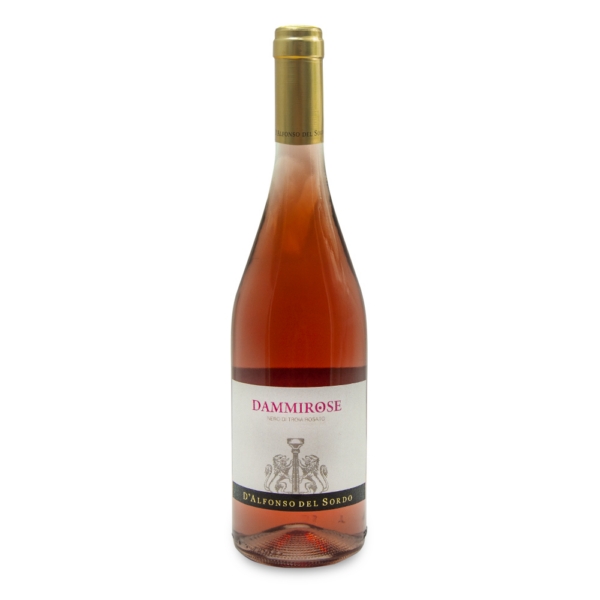
DAMMIROSE NERO DI TROIA ROSATO PUGLIA I.G.P. 2025
€9,00 - Bottiglie prodotte: 8.000
Il Dammirose nasce dalla volontà di esplorare nuove vette espressive del Nero di Troia, vitigno principe dell’ampelografia pugliese, qui celebrato in un blend paritario con il Montepulciano. Questa unione esalta la versatilità delle uve, donando al vino caratteristiche esclusive e un profilo di grande personalità. Prima di incontrare il pubblico, il vino riposa in bottiglia per circa due mesi, un leggero affinamento che ne rifinisce l'equilibrio.
Il vino brilla nel calice con un colore rosa corallo virante al cerasuolo, una tonalità fervida e luminosa che ne preannuncia la vivacità.
Lo spettro aromatico è sintomatico e ammaliante, proponendo un bouquet sontuoso e pluralistico. L’incipit è dominato da piccoli frutti rossi e agrumi scuri: melograno, fragoline di bosco, ribes, amarena e lamponi, con originali incursioni di mela cotogna e chinotto. L'intreccio olfattivo prosegue poi con delicate note floreali di rosa appassita e violetta, arricchite da sentori di erbe aromatiche e leggere impronte speziate che ne completano la complessità.
In bocca, il sorso sprigiona un’energia coinvolgente. È un vino che gioca su più registri: alla freschezza citrina e agrumata si contrappone una morbidezza rotonda e voluttuosa. La silhouette è elegante e plastica, con una polposità deliziosa che rende il sorso profondo e al contempo ariosamente scorrevole. La componente sapidità e la struttura paritaria dei due vitigni creano uno sviluppo palatale armonico.
Il frutto fragrante invita costantemente a reiterare la beva, conducendo verso uno scatto finale intenso, appagante e di lunga persistenza. Un rosato capace di coniugare finezza e carattere in modo seducente.
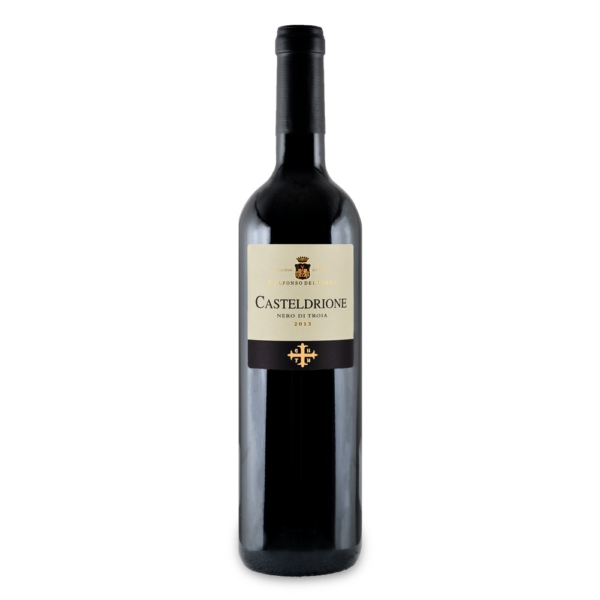
CASTELDRIONE NERO DI TROIA PUGLIA I.G.P. 2022
€9,50 - Bottiglie prodotte: 15.000
Il Casteldrione affonda le sue radici nella leggenda di Diomede che, sul colle Drion, eresse un tempio a Calcante, dando vita al nucleo storico della città di San Severo. Per onorare questa eredità, il vino segue un percorso di nobilitazione rigoroso: sei mesi di maturazione in barriques seguiti da tre mesi di affinamento in vetro.
Il calice è tinto da un’appariscente tonalità rosso rubino carico, quasi granato, dai riflessi brillanti e profondi che ne anticipano la grande concentrazione.
Il bouquet è intriso di profumi intensi e versatili. L'esordio è un trionfo di frutti a bacca rossa e nera: ciliegia ferrovia, prugna, amarena, mirtilli e more, con accenni di fichi e mandorle. L’ampio timbro olfattivo evolve poi verso una raffinata florealità di viola mammola e geranio, intrecciandosi a una trama speziata complessa: noce moscata, chiodi di garofano, pepe nero e zenzero. Il registro terziario è di ottima caratura, con note di caffè torrefatto, tabacco, liquirizia, grafite e goudron ben integrate.
L’impatto del sorso è austero, carnoso e opulento. Si rivela un vino dalla tattilità materica e "maschia", ma dotata di un'eleganza vellutata e affascinante. La trama tannica è nobile e aristocratica, generosa ma perfettamente bilanciata da una vibrante energia e da una rinfrescante vena balsamica. Il legno, sapientemente dosato, sostiene una struttura solida, profonda e voluminosa, che mantiene tuttavia un rigore stilistico di seducente essenzialità.
Il finale è persistente, con un retroaroma appagante e una sfumatura leggermente amaricante che ne pulisce il palato. Un vino temprato e armonico, con una capacità di invecchiamento intatta per lunghi anni.
Mauro Maccario
ENGLISH VERSION
SAN SEVERO AND D'ALFONSO DEL SORDO: THE ANCIENT HEART OF PUGLIA'S VITICULTURE
In the heart of the Capitanata region, where history intertwines with the legend of the Greek warrior Diomedes, lies San Severo, a town that represents a true paradigm of Mediterranean agricultural tradition. Known for its ancient medieval structure and its subsoil rich in labyrinthine karst tunnels ideal for wine aging, the town is the birthplace of the San Severo DOC , established in 1968 and among the first in Italy.
The San Severo DOC Area: Between History and Innovation
The production area of the denomination is not limited to the municipality of the same name, but encompasses neighboring areas such as San Paolo di Civitate, Torremaggiore, and parts of Apricena, Lucera, and Lesina. It is a region rich in historical remains, from Neolithic finds to the Via Sacra Longobardorum, to the ruins of Castel Fiorentino, where Emperor Frederick II died in 1250.
From a wine-growing point of view, the area is characterised by a happy coexistence of:
Native Grape Varieties : Bombino Bianco dominates , the standard-bearer of the Capitanata region, also perfect for sparkling wine production, and Uva di Troia (or Nero di Troia).
International grape varieties : Merlot, Cabernet Sauvignon and Chardonnay which have found an ideal soil and climate habitat here.
Soil : A combination of limestone, clay and sandy soils that favors the development of a vibrant acidity and a strong territorial identity.
D'Alfonso del Sordo: A Centuries-Old Tradition
Along the Gargano state road, the D'Alfonso del Sordo winery is a must-see for understanding the renaissance of Apulian wine. The family's history dates back to the 19th century , but it was in 1900 that the current lineage was founded, with the adoption of Felice D'Alfonso by Giovanni Del Sordo.
Today, the company, led by Gianfelice D'Alfonso del Sordo (fourth generation), manages approximately 120 hectares of vineyards. Many of these still maintain the traditional Apulian canopy training system , where grape varieties such as Bombino, Trebbiano, and Malvasia coexist as per ancient custom.
The beating heart of the business is the Coppanetta Estate , located at the foot of the Gargano. Here, a modern facility is located where the grapes are processed using cutting-edge technologies:
White Wines : Soft pressing and fermentation at controlled temperature.
Red Wines : Strictly manual harvesting and long macerations.
Aging : The oak barrels and barriques are placed in the basement, ensuring optimal maturation conditions.
The Catapanus and the Challenge of the Native
The flagship product is undoubtedly the Catapanus , a pure Bombino Bianco created with the help of the illustrious winemaker Severino Garofano. This wine is renowned for its longevity, capable of aging beautifully for over three years, maintaining a solid structure and Mediterranean aromas.
The company is also committed to promoting Nero di Troia , including through scientific collaborations with the University of Foggia and the consultancy of oenologist Luigi Moio. Thanks to this rigorous quality, D'Alfonso del Sordo wines have received prestigious international awards (such as "Tre Bicchieri" from Gambero Rosso and "Cinque Grappoli" from Duemilavini) and are now exported worldwide, from the USA to Australia.
We were pleased to receive some samples from the D'Alfonso del Sordo winery in our editorial office , and these are our impressions.
CATAPANUS BOMBINO WHITE PUGLIA PGI 2025
€9.50 - Bottles produced: 15,000
Catapanus takes its name from the ancient Byzantine delegate who governed southern Italy: an authoritative tribute to the region's most representative yellow grape variety, Bombino Bianco . This wine benefits from a few months of aging after bottling, ensuring a perfect harmony of flavors upon release.
In the glass, the wine presents a bright and luminous straw yellow colour , embellished with young greenish reflections that underline its freshness and chromatic integrity.
The bouquet is a complex and varied mix of aromas ranging from floral to exotic fruity. The initial impact reveals sweet notes of chamomile, hawthorn, elderberry, and mimosa , followed by an explosion of fresh fruit: white peach, apricot, clementine, medlar, and lemon apple . Captivating nuances of anise and banana are also perceived , enriched by an undercurrent of aromatic herbs such as sage, thyme, and rosemary , with a hint of spice and a hint of dried hay and almond.
On the palate, the sip enters with precision and cleanliness. It is a dry and crisp wine , characterized by a light and supple body that does not sacrifice a velvety and gentle softness . The mineral and savory contribution is measured and well integrated with a sharp and citrusy freshness, which makes the drink dynamic and "rhythmic." The tactile sensation is seductive and crystalline, with consistent fruity returns that lead to a satisfying finish, endowed with seductive complexity and length.
CORTECAMPANA FALANGHINA PUGLIA PGI 2025
€9.00 - Bottles produced: 6,500
The name evokes a timeless rural tradition: the sound of the bell that, from the courtyards of ancient Apulian farmhouses, marked the farmers' moments of rest and conviviality. This Falanghina is aged in stainless steel to preserve its fragrance and then bottled, acquiring a refined complexity.
The wine has a languid straw yellow color , embellished with bright chlorophyll-green reflections and greenish veins that testify to its vibrant youth.
A multifaceted and sophisticated bouquet unfolds on the nose. The opening is a feast of exotic and local fruits: banana, pineapple, mango, and passion fruit stand out , followed by crisp notes of Williams apple, yellow peach, and Kaiser pear , with a delicious touch of fig. The olfactory interweaving is then enriched with floral scents of broom and magnolia , refreshed by Mediterranean scrub confetti, eucalyptus, and menthol . Balsamic nuances, spicy hints, and a clear savory-mineral imprint are also present.
The palate is dynamic and elegant. The sip is taut, citrusy, and responsive , supported by a juicy pulp that balances a silky, glycerine structure. Freshness is the real protagonist: a flicker of acidity runs through the entire mouth, making the drink lively, agile, and well-paced. The flavors evolve into harmonious and persuasive tones, offering a delightful tension on the palate.
The finish is elegant, persistent, and well-defined, with a fruity aftertaste that invites you to taste it again. A wine with good aging potential that promises to evolve and improve further over time.
DAMMIROSE NERO DI TROIA ROSÉ PUGLIA PGI 2025
€9.00 - Bottles produced: 8,000
Dammirose was born from the desire to explore new expressive peaks of Nero di Troia , the flagship grape of Apulian ampelography, celebrated here in an equal-sized blend with Montepulciano . This union enhances the grapes' versatility, giving the wine unique characteristics and a profile of great personality. Before being released to the public, the wine rests in the bottle for approximately two months, a light refinement that refines its balance.
The wine shines in the glass with a coral pink colour tending towards cherry , a fervent and luminous hue that heralds its liveliness.
The aromatic spectrum is symptomatic and captivating, offering a sumptuous and diverse bouquet. The opening is dominated by small red fruits and dark citrus fruits: pomegranate, wild strawberries, currants, black cherries, and raspberries , with original forays of quince and chinotto . The olfactory interweaving then continues with delicate floral notes of dried rose and violet , enriched by hints of aromatic herbs and light spicy touches that complete its complexity.
On the palate, the sip releases an engaging energy. It's a wine that plays on multiple registers: the citric and citrus freshness contrasts with a rounded and voluptuous softness . The silhouette is elegant and supple, with a delicious pulpiness that makes the sip profound yet airy and fluid. The savory component and the equal structure of the two grape varieties create a harmonious development on the palate.
The fragrant fruit constantly invites you to relish it, leading to an intense, satisfying, and lingering finish. A rosé that seductively combines finesse and character.
CASTELDRIONE NERO DI TROIA PUGLIA PGI 2022
€9.50 - Bottles produced: 15,000
Casteldrione has its roots in the legend of Diomedes, who erected a temple to Calchas on Drion Hill , giving rise to the historic core of the city of San Severo. To honor this legacy, the wine undergoes a rigorous refinement process: six months of maturation in barriques followed by three months of bottle aging.
The glass is tinged with a striking deep ruby red hue , almost garnet, with brilliant, deep reflections that anticipate its great concentration.
The bouquet is imbued with intense and versatile aromas. The opening is a triumph of red and black berries: cherry, plum, black cherry, blueberry, and blackberry , with hints of fig and almond. The broad olfactory signature then evolves into a refined florality of violet and geranium , intertwining with a complex spicy texture: nutmeg, cloves, black pepper, and ginger . The tertiary register is of excellent caliber, with well-integrated notes of roasted coffee, tobacco, licorice, graphite, and tar .
The impact on the palate is austere, fleshy, and opulent . It reveals a wine with a textured and "masculine" feel, yet endowed with a velvety and captivating elegance. The tannins are noble and aristocratic , generous yet perfectly balanced by a vibrant energy and a refreshing balsamic vein. The expertly balanced oak supports a solid, deep, and voluminous structure, which nevertheless maintains a stylistic rigor of seductive simplicity.
The finish is persistent , with a satisfying aftertaste and a slightly bitter nuance that cleanses the palate. A mature and harmonious wine, with an intact capacity to age for many years.